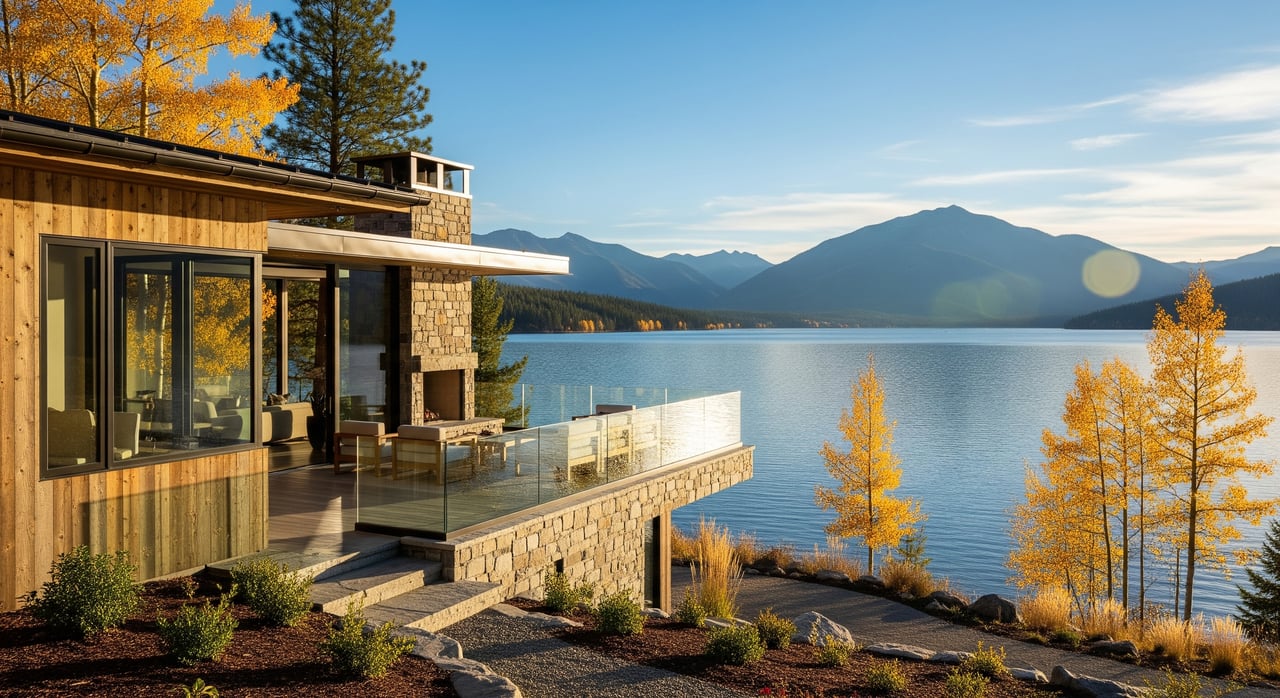
Is now the right moment to put your Whitefish home on the market? If you have been watching the snow fly on the mountain or the boats return to the lake, you already know this is a true dual-season town. The good news is you can use that seasonality to your advantage. In this guide, you will learn the best windows to list, how buyer demand shifts between ski and lake seasons, and a simple 60–90 day plan to launch with confidence. Let’s dive in.
How seasonality works in Whitefish
Whitefish runs on two powerful seasons. Winter is driven by Whitefish Mountain Resort, and summer revolves around Whitefish Lake and proximity to Glacier National Park. Each period brings different buyers, different priorities, and different ways to present your home.
From late May through September, lake and Glacier traffic is high, and families, vacation-home buyers, and relocation buyers are active. From November through March, ski-season buyers and second-home shoppers focus on access to the lifts and winter-ready features. Spring serves as a transition when local buyers ramp up and many sellers aim to hit the late spring or early summer window. Fall can be quieter, yet it can reward well-priced listings with less competition.
These patterns shape not only demand but also how your home should show. In winter, buyers notice heated garages, gear storage, snow management, and proximity to lifts. In summer, outdoor living spaces, landscaping, decks, and lake access rise to the top.
Two peak seasons at a glance
- Ski season and winter: roughly November through March, with peak ski traffic in December through February.
- Lake and Glacier summer: late May through September, with peak visitation in June through August.
- Spring transition: March through May, when local buyer activity builds and many sellers prepare to list by late spring.
- Fall: September and October, often calmer, with some motivated buyers looking before winter.
Who buys when
- Second-home and vacation buyers are active in both seasons, but their focus shifts. Winter buyers prioritize lift access and winterization. Summer buyers prioritize outdoor living and proximity to lake recreation.
- Short-term rental investors track occupancy potential by season and follow local rules. These buyers often move when they can secure strong seasonal bookings.
- Local, full-time buyers and relocation buyers often time moves around jobs and school calendars.
- Financing varies. Resort markets see a higher share of cash purchases, while financed buyers may use conventional, portfolio, or second-home loans. Appraisals can be tricky when seasonal sales data is thin, so planning matters.
The best time to sell in Whitefish
If you want the widest buyer pool and the most flattering showcase of curb appeal, late May through July is usually the strongest window. Landscaping is vibrant, outdoor spaces shine, and lake and Glacier visitors boost traffic. If your home’s appeal is ski oriented, a winter launch can work well, especially with less listing competition and more targeted buyers. You can also consider a late spring launch that catches spring buyers and rolls into early summer momentum.
Late spring to early summer (recommended)
- Pros:
- Strong buyer traffic from summer visitors and relocating families.
- Peak curb appeal, with landscaping, decks, and water views in full form.
- Broader buyer pool that includes local and out-of-area shoppers.
- Cons:
- More competing listings, which can require sharper pricing and standout presentation.
- Some rental-focused buyers may have already set summer plans.
August
- Pros: Demand remains healthy with ongoing summer visitation.
- Cons: Some buyers are in vacation mode and may delay decisions until fall.
Fall
- Pros: Fewer competing listings, which can help a well-priced home stand out. Motivated buyers often want to move before winter.
- Cons: Shorter daylight and fading curb appeal. Some buyers wait for spring.
Winter and ski season
- Pros:
- Strong interest from ski-focused second-home buyers during resort operations.
- Often less competition, which can support pricing if demand aligns.
- Ski properties show well with snow, cozy interiors, and lift context.
- Cons:
- Exterior features, landscaping, and lake views can be hidden by snow.
- Weather can complicate showings and access.
- Appraisals may rely on off-peak comps that understate summer-oriented value.
A 60–90 day pre-list plan
You get the best results when preparation aligns with your target season. Use this simple plan to get market-ready without guesswork.
90-day plan (weeks 1–13)
Weeks 1–2: Plan and assess
- Request a comparative market analysis and talk through seasonal pricing strategy.
- Review recent local comparable sales and appraisal considerations.
- Schedule a pre-listing inspection for transparency.
- Confirm HOA and municipal disclosures, and verify any short-term rental or rental rules that apply.
- Talk with your lender or advisor if a payoff or bridge loan is needed.
Weeks 3–6: Repairs and permits
- Fix high-impact items such as roof leaks, HVAC service, water issues, exterior paint, and door hardware.
- Complete permits or inspections for structural, electrical, or plumbing work.
- Address seasonal needs. For winter-focused buyers, plan snow and ice management. For summer, complete deck and landscape projects.
- Begin professional cleaning and a staging plan.
Weeks 7–9: Staging and curb appeal
- Finish landscaping and curb appeal projects, timed for peak greenness if listing in late spring or summer.
- Stage primary living spaces. For vacant homes, consider partial staging.
- Service utilities and appliances. Compile maintenance records.
Weeks 10–12: Marketing materials
- Gather disclosures, warranties, utility bills, and HOA documents.
- Hire a photographer and videographer. Schedule aerial or drone work if appropriate.
- Draft a features list and description that highlight both ski and lake season benefits if relevant.
- Prepare signage, a virtual tour, and floor plans.
Week 13: Final prep and launch
- Deep clean and complete final staging.
- Approve edited photography.
- Finalize the price strategy and prepare for MLS input and broker preview.
- Launch on a day that captures peak online traffic.
60-day plan (weeks 1–9)
Weeks 1–2: Assess quickly
- Obtain a comparative market analysis and, if desired, a pre-list inspection.
- Verify disclosures and any local regulations that apply to your property.
Weeks 3–5: Improve fast
- Complete high-impact touch-ups such as paint, lighting, hardware, and HVAC filters.
- Schedule a landscaping tune-up that matches your listing date.
- Declutter and stage main rooms.
Weeks 6–7: Marketing prep
- Book photography and drone imaging. Finalize listing copy with a focus on seasonal strengths.
- Assemble a disclosure packet and utility history for buyers.
Weeks 8–9: Photos and launch
- Complete the photoshoot and final clean.
- Review and approve visuals, then list.
Photos and marketing that sell
Your visuals should match the buyers you want to attract. In summer, capture decks, patios, docks, gardens, and views. In winter, highlight cozy interiors, heated garages, gear storage, snow management, and proximity to the lifts.
If your property shines in both seasons, consider a dual-season photo strategy. When possible, obtain both summer and winter images or video so buyers can imagine year-round use. Aerial photography can show lake proximity, views, and lot orientation. Hire a licensed drone pilot who follows FAA Part 107 rules and carries proper insurance.
- Photo timing: Golden hour is great for exteriors. Midday often works for bright interiors.
- Fast turnaround: In winter, plan for quick editing to feature fresh snow.
- 3D tours: Virtual tours help out-of-area buyers engage and decide faster.
Pricing, comps, and appraisal prep
Appraisals can lag behind the current season, especially if recent comparable sales are thin. Get ahead of this by preparing a value packet with your agent. You want the appraiser and lenders to see the full story of your home’s value.
- Include recent comparable sales, seasonally adjusted where appropriate.
- Document upgrades, maintenance, and features that influence value.
- For investment or rental appeal, provide verified documentation rather than estimates.
- If listing outside peak season, include photos and comps that reflect year-round appeal.
Launch timing tips for Whitefish
- Pair the listing date with buyer attention. Many markets see higher online activity from Tuesday through Thursday, so confirm the best day with your agent.
- Coordinate open houses with local traffic patterns. For ski-focused listings, consider event weekends at the resort. For summer listings, align with high visitation periods.
- Keep access easy. Clear driveways, mark parking, and provide a spot for wet gear in winter.
- Have backup visuals. If you list in winter, include summer photos of outdoor spaces. If you list in summer, include winter images of ski access and snow management.
Rules and rental notes
Short-term rental interest can drive demand in Whitefish and nearby areas, but rules vary by city, county, and HOA. Verify current licensing, occupancy limits, and any restrictions before you market rental potential. If your property involves shoreland, docks, septic, or rural utilities, confirm permits and disclosures early to prevent delays later.
Ready to sell in Whitefish?
The strongest results come from pairing the right season with smart preparation. Whether you want to capture lake-season energy in late spring or target ski buyers in winter, a focused plan can help you launch with confidence. If you would like a local pricing strategy, a custom timeline, and premium marketing, connect with Montana Life Real Estate - John Stiles. We will help you choose the right window and present your home at its best.
FAQs
What months are best to list a home in Whitefish?
- Late May through July usually provides the broadest buyer pool and the strongest curb appeal, with summer traffic from lake and Glacier visitors.
Is winter a good time to sell in Whitefish?
- Yes, especially for ski-oriented homes. Winter brings motivated ski-season buyers and often less listing competition, though weather and appraisals need extra planning.
How do buyer priorities change between ski and summer seasons?
- Winter buyers focus on lift access, heated garages, and gear storage. Summer buyers focus on outdoor living, landscaping, and proximity to the lake.
How far in advance should I start prepping to sell?
- Plan on 60 to 90 days. Use a faster 60-day plan for light touch-ups or a fuller 90-day plan if you need repairs, staging, and comprehensive marketing.
What can I do to support a strong appraisal in a seasonal market?
- Prepare a value packet with recent comps, upgrades, and dual-season photos. If listing off-peak, include summer-season comparables to show year-round value.