Thinking about making Bozeman your home base for all four seasons? You’re not alone. Many people come for the mountains and stay for the community, the university energy, and a lifestyle that blends small‑city convenience with big‑outdoor access. In this guide, you’ll get a clear picture of everyday life across the year, plus practical tips on housing, commuting, schools, healthcare, and recreation so you can decide if Bozeman fits your goals. Let’s dive in.
Bozeman at a glance
Bozeman sits in southwest Montana as a fast‑growing hub shaped by the university, healthcare, construction, and outdoor‑driven businesses. You’ll feel the college‑town pulse around Montana State University, which anchors research, culture, and sports on campus and in town. The city serves as a regional center for shopping, dining, and services, while nearby mountains frame daily life with ready access to trails and rivers.
Montana’s tax structure influences the day‑to‑day. There is no statewide sales tax for your routine shopping, though property taxes and state income tax apply. Property assessments have changed for some homeowners in recent years, which can affect bills, so it helps to review county resources and talk with a local pro before you buy. For flight access, the growing Bozeman Yellowstone International Airport connects you to many U.S. cities with seasonal and year‑round routes.
Seasons: what daily life feels like
Living here year‑round means embracing four distinct seasons. Your routines, gear, and weekend plans will shift with the calendar.
Winter: snow, skiing, and routines
From roughly November to March, expect regular snow in town and heavier snowfall in the surrounding ranges. You’ll see plows out early, but storms still slow commutes and require patience. Many locals set up winter tires, keep a small emergency kit in the car, and budget time for snow shoveling.
If you love snow sports, you’ll fit right in. Downhill skiers split time between nearby Bridger Bowl and larger‑scale terrain at Big Sky Resort. Nordic trails, snowmobiling zones, and frozen‑lake fishing add variety. Plan your days around weather windows and road conditions, and check resort calendars for opening and closing dates.
Spring: thaw, mud, and greenup
March through May can swing from sunny afternoons to surprise snow. Trails may be muddy early, then open with rapid greening as temperatures rise. Allergy season typically picks up later in spring, so if you’re sensitive, prepare accordingly. River users and anglers watch flows closely this time of year; check Montana Fish, Wildlife & Parks for regulations and seasonal updates.
Summer: long days and high season
June through September brings warm, generally dry days and cool nights. You’ll find packed calendars of outdoor events, music, and festivals, plus peak hiking, biking, and river time. Some years include wildfire smoke that can affect air quality and visibility. Many residents track active fire reports and plan early mornings for hikes or rides, saving indoor errands for smokier afternoons.
Fall: crisp air and shoulder season
October and November deliver cool days, colorful foliage, and quieter trailheads. You may see early snow at higher elevations. Hunting seasons and wildlife migrations shift how and where people recreate. Around town, the pace often turns more reflective as the community transitions from summer crowds to winter prep.
Housing and neighborhoods overview
Bozeman’s housing market has seen strong demand driven by in‑migration, remote work, and lifestyle buyers. Inventory and pricing can change quickly, with some periods of cooling and others of renewed competition. Instead of chasing dated numbers, you’ll want current local MLS or Gallatin Association of REALTORS reports when you’re ready to make a move.
You have a range of home settings to consider:
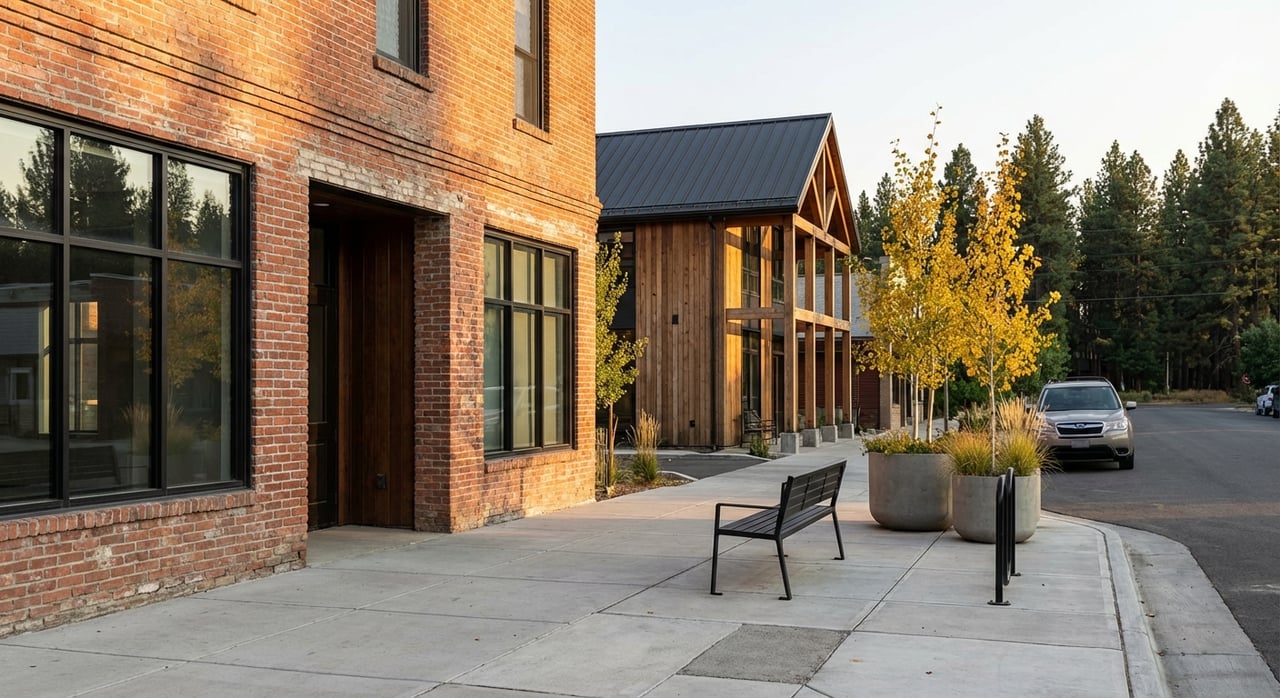
- Downtown and near‑Main Street condos or historic homes for walkable dining, culture, and short bike commutes.
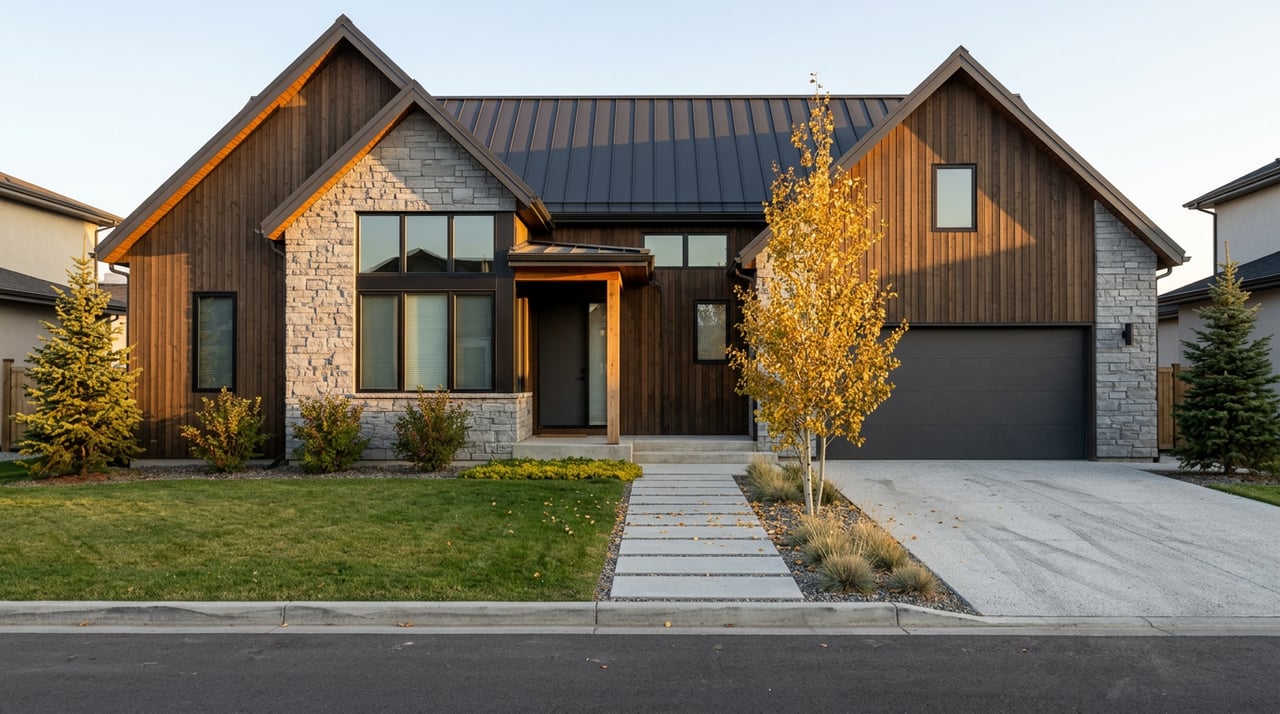
- North and south Bozeman neighborhoods with a mix of newer subdivisions and established streets.
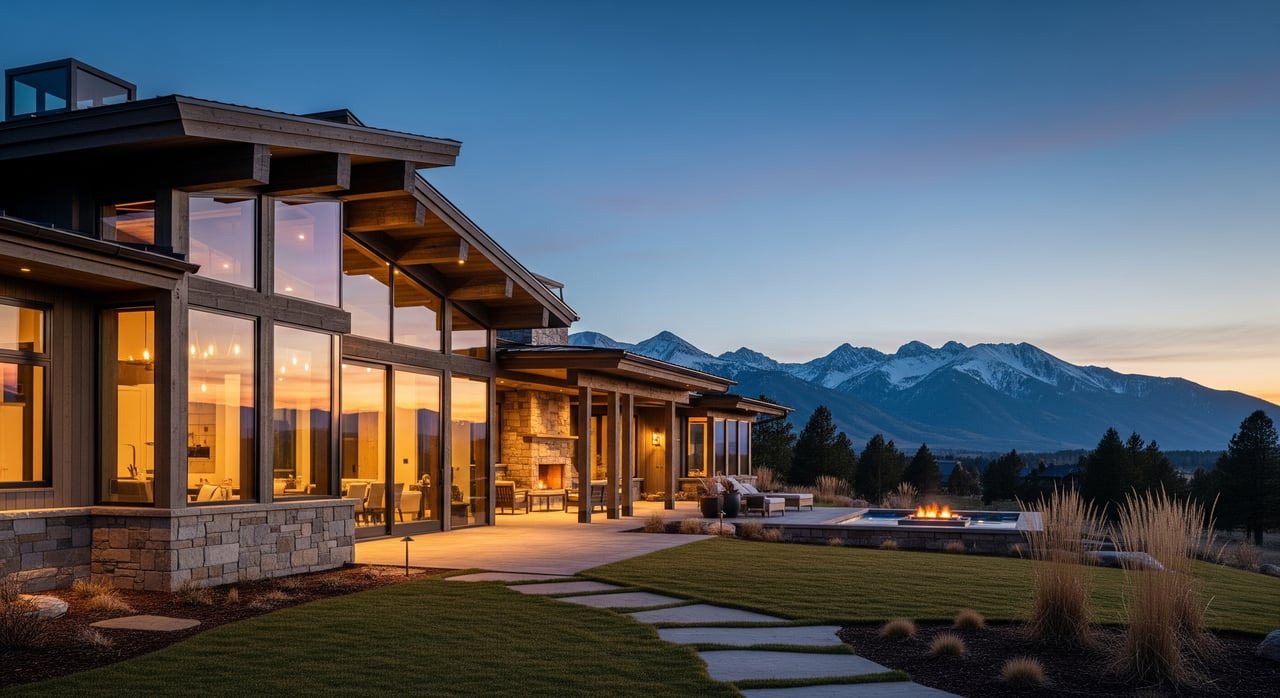
- Bridger Canyon and east‑of‑town areas that trade easy city access for scenic settings and proximity to trailheads.
- Four Corners and the wider Gallatin Valley for more space, with commuting tradeoffs.
- Rural Gallatin Gateway, Springhill, and similar pockets for acreage and a more secluded feel.
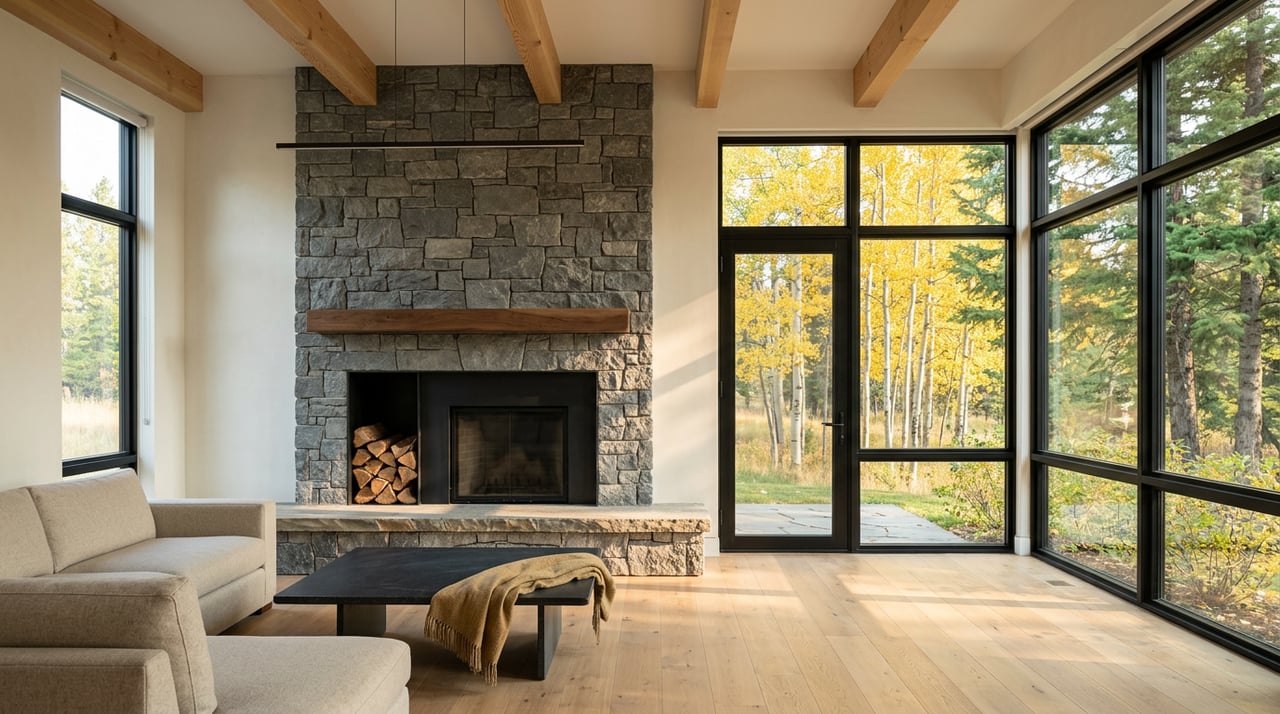
If you’re buying, think about seasonal maintenance. Many homes rely on natural gas or electric heat, and some use wood or pellet stoves. Roof snow loads, driveway plowing, and potential ice dams are part of winter homeownership. If you’re considering a mountain or wooded property, evaluate access after storms, potential wildfire risk, and well or septic systems. If you’re renting, low vacancy can make timing important, and many leases turn over in late spring and summer.
Getting around and commuting
Bozeman’s core is walkable, and you’ll see plenty of bikes year‑round with the right tires and layers. A local bus system serves key city routes, especially near campus and downtown, which can be convenient if your routine stays in the core. For most households, a car is still common for errands, mountain access, and commutes to outlying jobs.
Traffic flows well most of the day compared to large metros, though congestion rises during peak hours, construction seasons, and tourism surges. Growth has created bottlenecks on some main corridors. Winter conditions add time and require caution. Many residents keep a brush and shovel in the trunk, plus jumper cables, just in case.
Work, schools, and healthcare
Bozeman’s job base is broader than a pure resort town, and that steadies the local economy. You’ll find roles in education at Montana State University, healthcare at Bozeman Health and specialty clinics, construction and trades, public sector, tourism, and a growing remote‑work and startup scene. For sector‑specific openings, check statewide job boards and MSU career resources.
Families often ask about schools and childcare. Bozeman Public Schools administers district‑wide programs and enrollment zones, and availability can vary by neighborhood and grade level. It is smart to review the district’s resources and plan ahead for preschool or after‑school options. Start with Bozeman Public Schools for current enrollment details and district updates.
Healthcare access is a strength for a city of Bozeman’s size. In‑town hospital services, urgent care, and specialty clinics cover most needs. For highly specialized treatment, some residents travel to larger regional centers. Being close to care matters to many buyers, especially those considering rural or mountain properties.
Outdoor access and weekend escapes
Outdoor life is a major part of living here, and it integrates into weekday routines as much as weekend adventures. After‑work laps on a local trail, morning skis at Bridger, and lunchtime river walks are normal.
- Skiing and snow sports: Check Bridger Bowl for local lift operations and terrain, and Big Sky Resort for broader resort amenities. Nordic centers and community trails add more options when you want a quieter day.
- Hiking, biking, and climbing: Hyalite Canyon, the Bridger Range, and the valley offer extensive trail networks. Seasonal closures protect wildlife and soften damage during wet shoulder seasons, so be mindful of signage and trail status.
- Rivers and fishing: Anglers look to the Gallatin and nearby waters for year‑round opportunities. Regulations, flows, and access details change by season, so consult Montana Fish, Wildlife & Parks before you head out.
- Public lands and parks: Weekend day trips to the Custer Gallatin National Forest and Yellowstone National Park are common. Drive times vary with weather and traffic, but Big Sky is often 30 to 60 minutes and Yellowstone’s north or west entrances are typically 1 to 2 hours from town.
Wildlife awareness is part of outdoor life here. You may encounter elk, deer, moose, and occasionally black bears in and near town. Carry bear spray on backcountry outings, keep food secure, and follow posted advisories.
Cost of living basics
Many residents appreciate the day‑to‑day benefit of no statewide sales tax. Property taxes and state income tax still apply, and assessments can shift with market trends. Energy costs reflect true winter conditions, so homes with solid insulation and efficient systems matter. If you are comparing neighborhoods or property types, factor in heating, snow management, and commuting distances alongside your mortgage or rent.
Groceries include national chains and local co‑ops, and summer farmers markets add seasonal variety. Dining spans casual spots, breweries, and farm‑to‑table kitchens, with a busy downtown scene. Services and hours can fluctuate during peak tourism months, which is helpful to keep in mind when planning errands.
City services and winter logistics
Winter is a team sport in Bozeman. City crews clear main roads and school routes, and you are responsible for sidewalks and driveways on your property. Review city guidance on snow removal, parking during storms, and residential responsibilities on the City of Bozeman website. If you own a home with a long driveway or live on a private road, line up plowing services early.
A few practical winter basics help a lot:
- Install quality all‑weather or dedicated winter tires and learn winter‑driving techniques.
- Keep a brush, shovel, warm layers, and a small emergency kit in your vehicle.
- Schedule roof and gutter checks before heavy snow periods.
- Set reminders to clear vents and pathways for deliveries and utilities after storms.
Practical tips for settling in
Moving here is easier when you plan for seasonality and demand.
- Get pre‑approved and work with a local REALTOR early if you plan to buy. The market can move quickly.
- If you want a specific school zone, confirm boundaries and enrollment timing with the district.
- For mountain or wooded properties, evaluate winter access, water and septic systems, and wildfire mitigation.
- If renting, start your search early, especially in late spring and summer when turnover is highest.
- Learn local trail etiquette, wildlife awareness, and shoulder‑season closures before you head out.
Is Bozeman right for you?
If you want four true seasons, quick access to trails and ski areas, a university‑driven culture, and a small‑city pace, Bozeman may feel like home. You will balance those strengths with housing demand, growing‑city traffic, and the realities of winter. The good news is that with the right information and a local guide, you can find the neighborhood and property that fit your lifestyle.
When you are ready to explore homes, neighborhoods, or land in and around Bozeman, connect with a local partner who understands the rhythms of this market. Start a conversation with Montana Life Real Estate - John Stiles to chart your next steps.
FAQs
What is Bozeman winter like for newcomers?
- Expect regular snow, cold stretches, and icy roads, so plan for winter tires, snow shoveling, and slower commutes, plus easy access to skiing and winter recreation.
How far are Big Sky and Yellowstone from town?
- Big Sky is typically 30 to 60 minutes depending on conditions, and Yellowstone’s north or west entrances are usually 1 to 2 hours, so check weather and road reports before driving.
What are Bozeman’s main job sectors?
- Education at Montana State University, healthcare, construction and trades, tourism and outdoor businesses, public sector roles, and a growing remote‑work and startup presence.
What should I know about housing costs?
- Demand has been strong with periods of tight inventory; check recent local MLS or Gallatin Association of REALTORS reports for current pricing and trends when you are ready to act.
Can I live in Bozeman without a car?
- Core neighborhoods are walkable and the local bus helps for in‑town trips, but a car is common for errands, winter reliability, and access to trailheads or outlying jobs.
How are schools and childcare options organized?
- Bozeman Public Schools use defined enrollment zones and program availability can vary, so review district resources early and plan ahead for preschool and after‑school care.