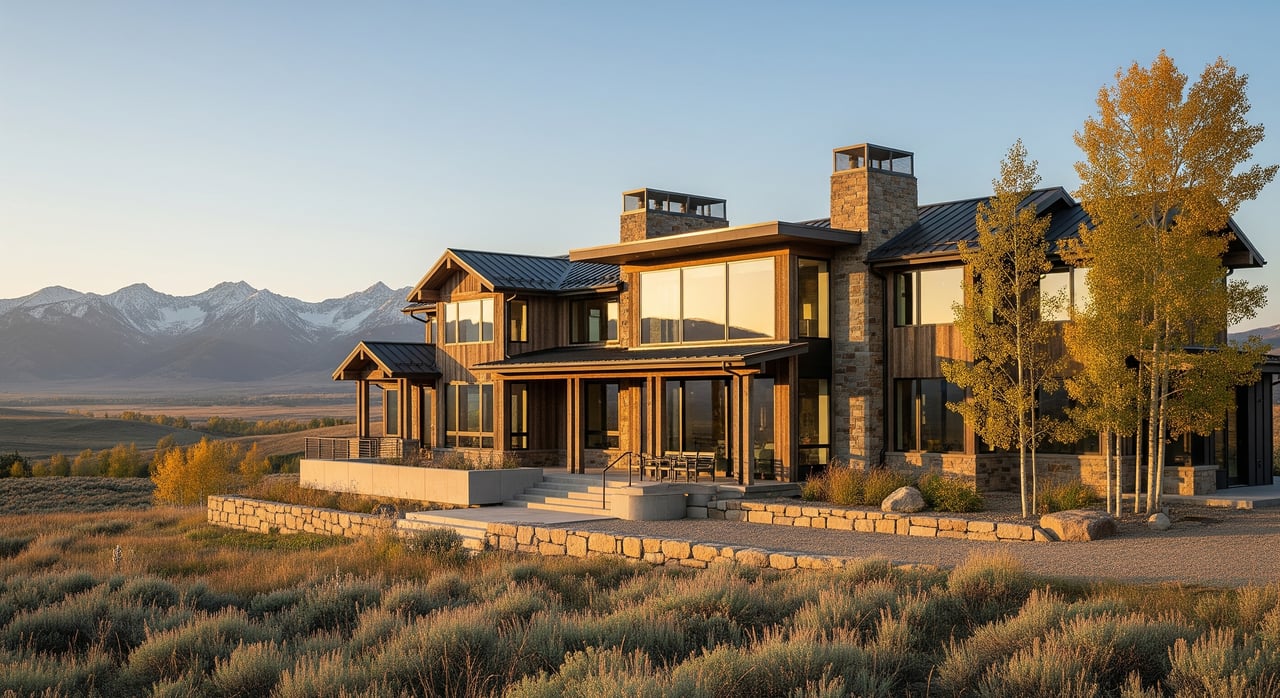
Thinking about buying a home in Bozeman but not sure where to start? You are not alone. With strong demand, limited inventory, and Montana’s unique property considerations, it can feel like a lot to juggle. This guide gives you a clear, local step-by-step plan from pre-approval to closing, plus key checks for rural systems and winter touring tips. Let’s dive in.
Bozeman market basics
Bozeman is a high-demand mountain-town market that draws outdoor enthusiasts, remote professionals, and Montana State University connections. Inventory can be tight and well-priced homes may draw multiple offers. You will want to be ready with strong financing and a quick, realistic offer strategy.
Local rules and services vary between the City of Bozeman and unincorporated Gallatin County. Covenants, zoning, and permit histories can differ by neighborhood or subdivision. Property taxes and assessments are handled at the county level, and out-of-state buyers should review tax classifications and exemptions with the Montana Department of Revenue and the Gallatin County Treasurer.
Your step-by-step roadmap
1) Get pre-approved
Pre-approval is the foundation of a strong offer. Gather pay stubs, bank statements, W-2s or 1099s, tax returns, and ID. A lender familiar with Gallatin County can help set expectations for underwriting, appraisal timelines, and local nuances.
2) Define your must-haves
Clarify what matters most in Bozeman:
- City services or rural living (water and sewer, road maintenance, snow removal).
- Commute times and neighborhood fit.
- School district boundaries, without focusing on ratings.
- Wildfire and flood exposure, especially near wildland areas or river corridors.
3) Start your home search
Work with a local REALTOR who knows Bozeman’s neighborhoods, HOAs, covenants, and common maintenance arrangements. Ask your agent to set up alerts, pre-screen options, and provide context on competitiveness and pricing.
4) Craft a competitive offer
Your offer should specify earnest money, deposit timelines, and contingency windows. In a tight market, sellers tend to prefer clear, straightforward terms and shorter due-diligence periods. If you are financing, have your pre-approval letter ready. If you are paying cash, provide proof of funds.
Smart contingencies in Bozeman
Contingencies protect you while keeping your offer attractive. Typical local windows include:
Inspection contingency
- Commonly 5 to 10 business days.
- Consider a longer window or specialty inspections for older homes or winter conditions. Focus on roofs, insulation, heating systems, foundations, septic systems, and wells as needed.
Financing and appraisal contingencies
- Financing is often 21 to 30 days, depending on your lender and loan type.
- Appraisal timing is usually 7 to 14 days after the appraisal is ordered. In competitive scenarios, some buyers use an appraisal gap strategy to address a shortfall, which carries risk and should be considered carefully.
Title, survey, and permits
- Title commitments are commonly delivered within 7 to 14 days of contract.
- Survey needs vary by property type. Larger rural parcels and new construction may require surveys.
- If you suspect unpermitted work, include a contingency to review city or county permit history.
Sale-of-buyer property contingencies
These are less attractive in competitive periods. If you need to sell to buy, discuss bridge financing options or a longer closing timeline to improve your position.
From contract to close
Once you are under contract, the closing period typically runs 21 to 45 days for financed purchases. Cash offers can close faster, often 10 to 21 days, depending on title work and seller timing.
- A title company or attorney coordinates title insurance, escrow, and recording.
- Closing costs for buyers usually include lender fees, title and escrow fees, recording charges, and prepaids for taxes and insurance. In many Montana transactions, sellers pay for the owner’s title insurance policy, but practices vary by contract. Confirm specifics with your agent and title company.
- Earnest money is deposited with the title company or a brokerage trust account, with release conditions defined in your contract.
Property types and local checks
City single-family homes
Inside Bozeman city limits you typically have municipal water and sewer, sidewalks, and plowed streets. Ask about any special assessments and city permits on past renovations.
Subdivisions and new construction
Expect HOAs, covenants, and newer infrastructure. Review HOA dues, reserve studies, and any current or upcoming special assessments. Builder warranties may apply in some communities.
Condos and townhomes
Understand HOA rules, pet policies, rental restrictions, dues, and reserves. Ask about building maintenance plans, roof schedules, and recent special assessments.
Rural acreage and ranchettes
Rural properties often rely on wells and septic systems, may have irrigation rights, and can be on county or private roads. Confirm road maintenance agreements and winter plowing responsibilities.
Cabins and recreational homes
Near the Gallatin River or Bridger Mountains you may encounter seasonal access, private wells, septic systems, and limited services. Confirm winter access and any insurer requirements for wood stoves or chimneys.
Vacant land and lots
Before you buy land, verify permitting, well and septic feasibility, access, and any conservation easements or restrictions. A soils study and survey can save time and money later.
Critical rural systems to vet
Water sources and rights
Inside the city you generally connect to municipal water. Outside the city, private wells are common. Check well depth, yield, and water quality. In Montana, irrigation and surface water rights are a separate legal asset and do not always transfer automatically. Verify water rights status with the Montana DNRC and your title company or attorney.
Septic systems and permits
Review the age, capacity, and service history of the septic system and any permits on file with the Gallatin City-County Health Department. Replacement costs can be significant, so inspection is important.
Wildfire risk and defensible space
Homes near the wildland interface can face wildfire risk. Evaluate defensible space, roofing materials, vent screens, and driveway access for emergency vehicles. Insurance availability and premiums can vary by location.
Flood zones and river corridors
Properties near the Gallatin River and tributaries may fall within FEMA-designated flood zones or local floodplain areas. Your lender may require flood insurance. Review maps and talk with your insurer about coverage and costs.
Access and road maintenance
Understand whether roads are public or private, who maintains them, and how snow removal works. Some rural roads are not plowed regularly in winter except by owners or road associations.
Utilities, internet, and cellular
Confirm electrical service, natural gas availability or propane, and broadband options. Remote work may require testing internet speeds at the property.
Easements, covenants, and mineral rights
Title work in rural Montana often includes easements or use restrictions. Mineral rights may be held by third parties. Read title exceptions and subdivision covenants carefully, and consult professionals with questions.
Touring Bozeman homes in winter
Winter is a valuable time to see how a home performs in real conditions, but it adds logistics.
- Driveability and access: Use an AWD or 4WD vehicle and plan for snow and ice. Confirm whether private driveways and roads are plowed.
- Heating and energy use: Inspect furnaces or boilers, fireplaces or stoves, insulation, windows, and attic ventilation. Ask for recent winter utility bills to gauge costs.
- Water systems: Look for signs of frozen pipe repairs, verify water heater performance, and confirm well pump conditions.
- Roof and snow: Check roof age and condition, ice dam potential, and snow-shedding patterns. Ask about roof snow removal practices.
- Drainage: Heavy snowpack and spring runoff can stress drainage. Inspect grading, culverts, and sump pumps.
- Seasonal showings: If access is limited, request a video walkthrough and ask the listing agent what areas are cleared for showings.
Out-of-state buyer game plan
If you are traveling in to shop, plan your time like a pro.
- Remote scouting: Have your agent pre-screen listings, record video walkthroughs with seller approval, and pull permit and title notes early.
- Efficient itineraries: Cluster showings by area and allow extra time for winter driving and shorter daylight hours.
- Virtual due diligence: Order inspections and review digital reports. For land, consider a soils study, septic feasibility, and survey early.
- Travel logistics: Fly into Bozeman Yellowstone International Airport and reserve an AWD rental in winter.
- Competitive offers: Be ready to sign quickly with pre-approval or proof of funds. Shorter inspection periods can help in competitive situations, but weigh the added risk.
What to request from sellers
Ask your agent to help you gather:
- Seller property disclosure
- Recent utility bills, especially winter months
- Septic and well service records
- HOA covenants and recent meeting notes, if applicable
- Recent surveys and title exceptions
- Any known boundary, access, or road maintenance agreements
Next steps with a local advisor
Buying in Bozeman is about matching your lifestyle with the right home and making confident decisions in a competitive market. With a clear plan and local guidance, you can move from pre-approval to closing with fewer surprises. If you want tailored searches, local insight on neighborhoods and rural systems, and a calm, step-by-step process, connect with Montana Life Real Estate - John Stiles. We are here to help you make a smart, satisfying move.
FAQs
How long does closing take in Bozeman?
- Most financed purchases close in 21 to 45 days; cash deals can close in about 10 to 21 days, depending on lender and title workloads.
Are inspections required in Montana home purchases?
- They are not required, but they are strongly recommended; consider a general inspection plus septic, well, radon, chimney, and roof evaluations as needed.
Do water rights transfer with Montana property?
- Not always; water rights can be a separate legal asset, so verify status with the Montana DNRC and consult your title company or attorney.
Will I need flood or wildfire insurance near Bozeman?
- It depends on the property’s location; flood insurance may be required in mapped zones and wildfire risk can affect availability and cost, so check with local insurers.
What makes offers competitive in Bozeman?
- Strong pre-approval or proof of funds, realistic pricing, clear terms, and shorter yet safe contingency windows can help your offer stand out.